More time to transport and transplant
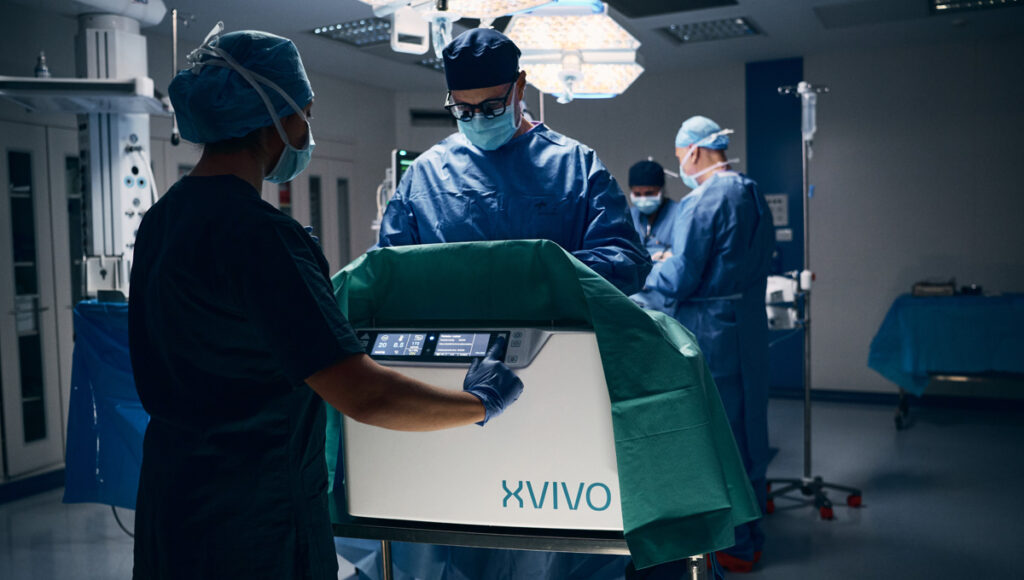
By removing time as a critical constraint, XVIVO Heart Assist Transport™ allows longer transportation distances and provides transplant teams with the time they need.
XVIVO Heart Assist Transport™ is a technological breakthrough that uses hypothermic oxygenated machine perfusion (HOPE) to safely extend donor heart preservation time. 1, 2
More time to transport
and transplant. 1, 2
Intuitive, reliable, and designed for the transplant workflow.
Reduced risk of post-transplant
complications and improved
1-year survival. 3, 4
For all hearts - DBD, DCD,
ECD, and pediatric.
Not available in all markets. Please contact XVIVO for more information regarding availability in your specific region.
CAUTION – Investigational device. Limited by Federal (or United States) law to investigational use.
When it comes to heart transplantation, having twice as much time could change everything.
Watch the video below.
By removing time as a critical constraint, XVIVO Heart Assist Transport™ allows longer transportation distances and provides transplant teams with the time they need.

XVIVO Heart Assist Transport™ is the only device with demonstrated improved patient outcomes in a randomized controlled trial, NIHP20193. The trial showed a 61% risk reduction of PGD, and a 76% significant risk reduction of severe PGD3, which resulted in a higher 1-year survival rate compared with static cold storage (SCS)3, 4. All donor hearts were successfully transplanted following perfusion.
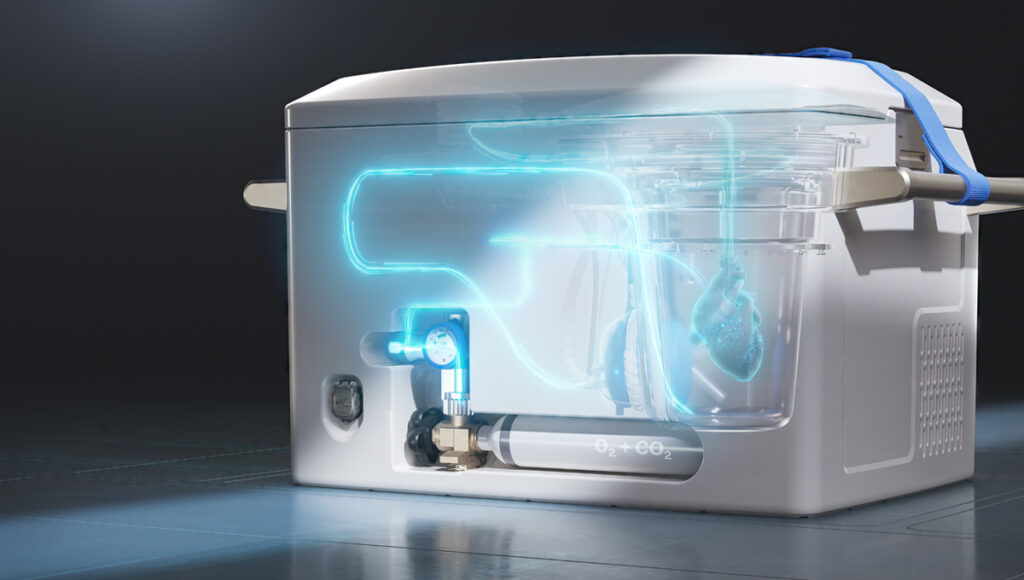
with carbogen gas mix
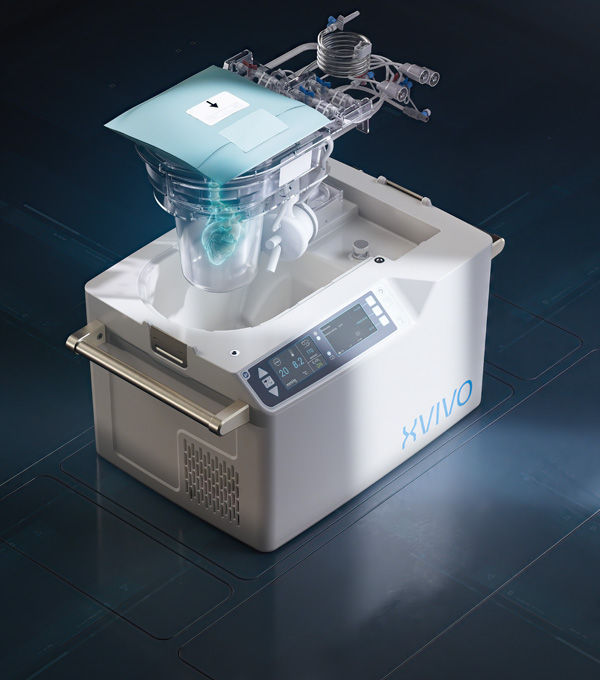
Intuitive user interface with guiding instructions
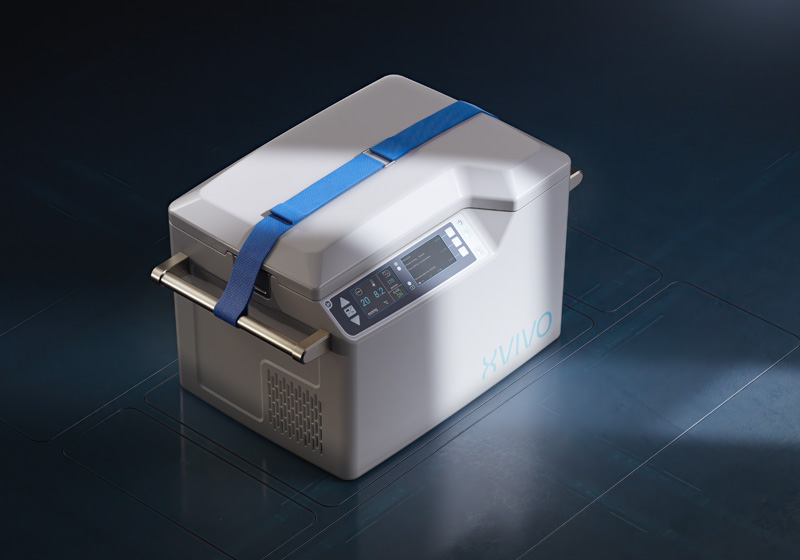
Insulated container and continuous cooling
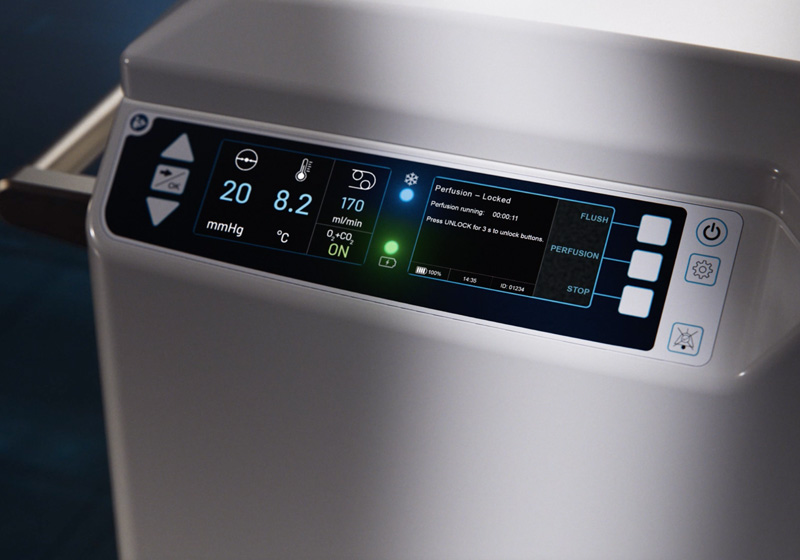
Without the need for manual adjustments

Specifically tailored for heart perfusion
The challenges associated with static cold storage for heart preservation are well known. From a lack of control over the preservation environment to severe time constraints and post-transplant complications, the current standard of care simply isn’t good enough. But now there’s new HOPE: Hypothermic Oxygenated Perfusion.
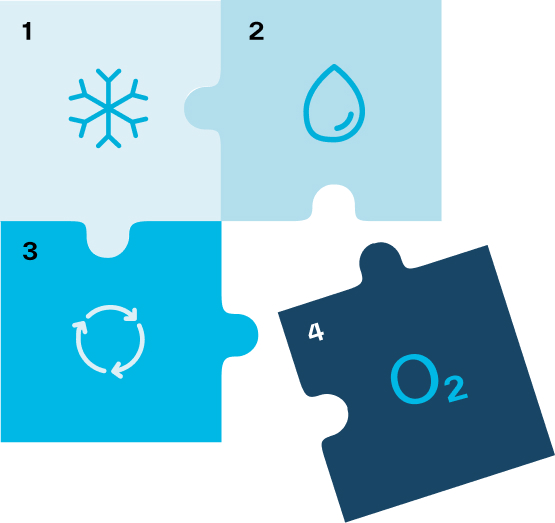
Hypothermic preservation to reduce cellular metabolism
Dedicated perfusion solution to protect against edema and IRI
Perfusion of the vasculature to maintain vascular tone
Active oxygenation to support residual metabolic activity
*For more information see HOPE Whitepaper
“For the first time in 60 years there is a preservation strategy that is able to prove a benefit above static cold storage. The fact that these hearts performed better in the first 24 hours hopefully will translate into a better outcome at one year.”
Prof. Filip Rega, MD, PhD
University Hospitals Leuven, Leuven (BE)
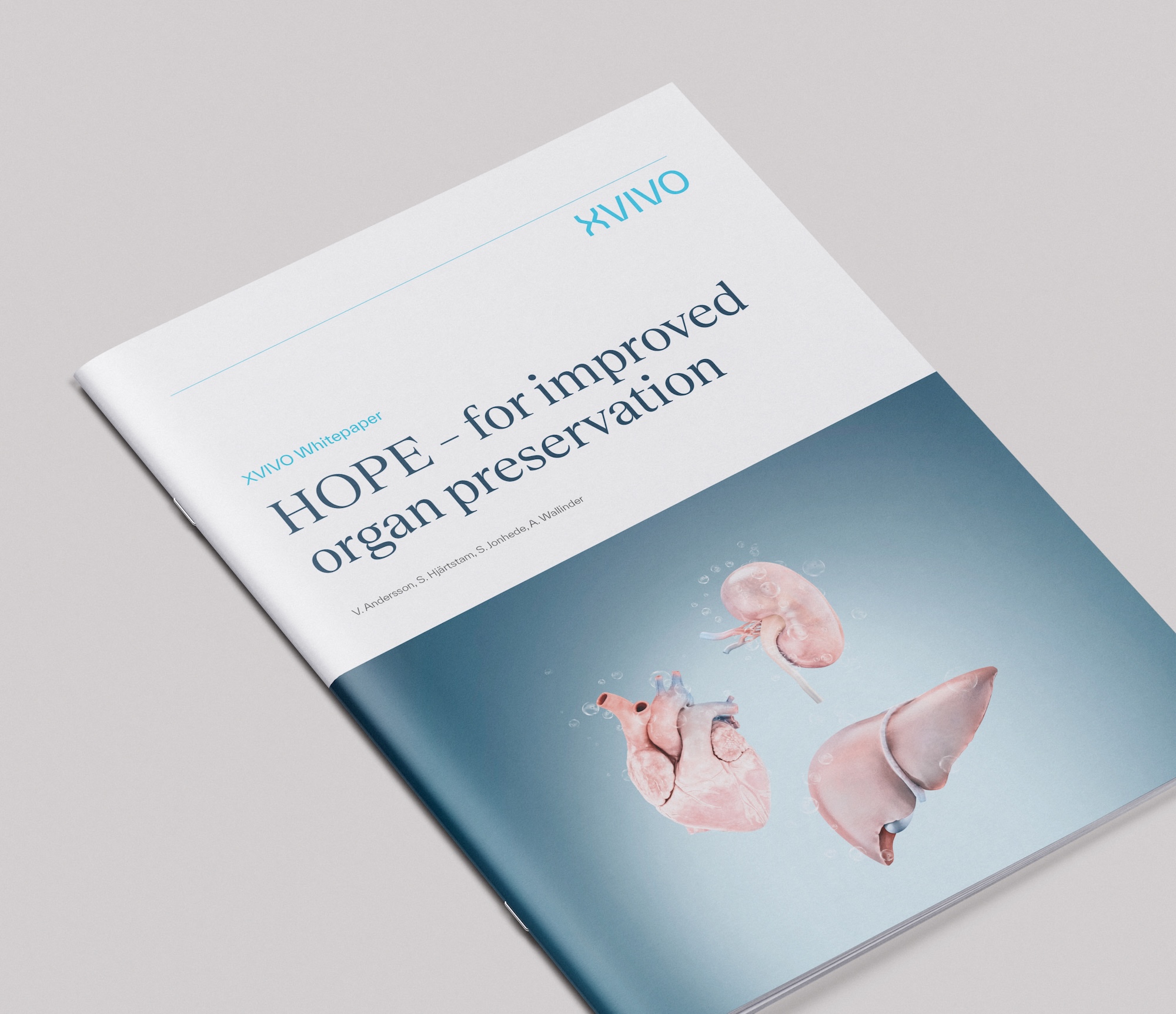
Learn how Hypothermic Oxygenated Perfusion (HOPE) and XVIVO Heart Assist Transport™ are solving the problem of ischemic metabolism in heart preservation – allowing for longer preservation times and improved patient outcomes compared with static cold storage (SCS).
“Based on the data that has been published, I think transplantation will become even more exciting. I guess we have a good chance to go farther distances, go out and accept more extended criteria donors, and hopefully increase our transplant numbers with the same good outcomes that we have done before, and to a greater extent and saving more patient lives.”
Andreas Zuckermann, M.D.
Medical University of Vienna, Vienna (AU)

“XVIVO’s Heart Assist technology allowed me to receive a heart from the other side of Australia, before it was too late.”
Alexandra Moroianu
Watch Alexandra’s story1. McGiffin DC, et al. Hypothermic oxygenated perfusion (HOPE) safely and effectively extends acceptable donor heart preservation times: Results of the Australian and New Zealand trial. J Heart Lung Transplant. 2023.
2. Lebreton G, et al. Successful heart transplant after 12 h preservation aboard a commercial flight. Lancet. 2024;403(10431):1019.
3. Rega F, et al. Hypothermic oxygenated perfusion of the donor heart in heart transplantation: the short-term outcome from a randomised, controlled, open-label, multicentre clinical trial. Lancet. 2024;404(10453):670-82
4. F. Rega, et al. Hypothermic oxygenated perfusion versus standard treatment of donor hearts in heart transplantation: extended follow-up of the NIHP2019 trial. European Heart Journal, 2026.


