Markets

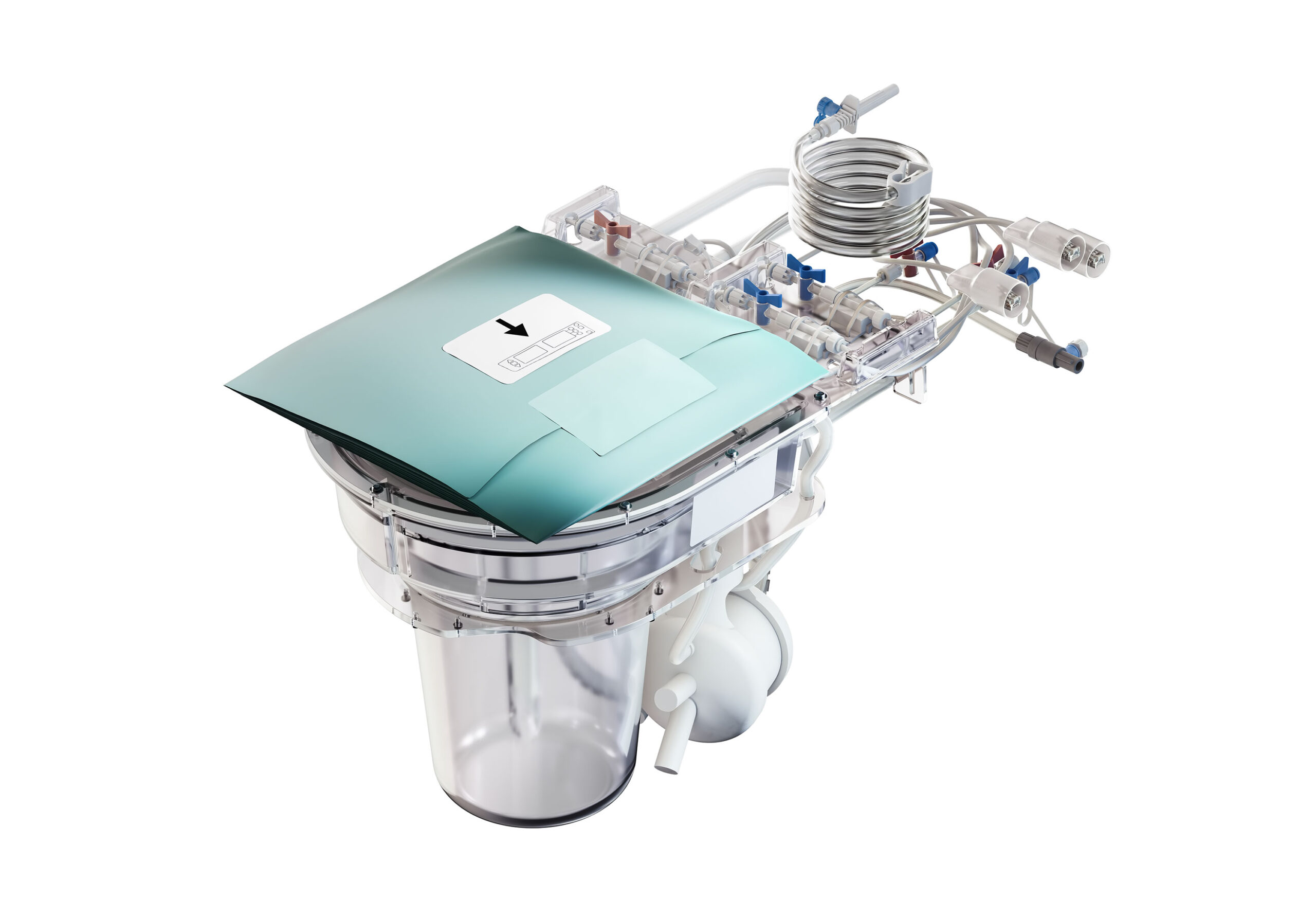
XVIVO Heart Assist Transport™
New HOPE for hearts
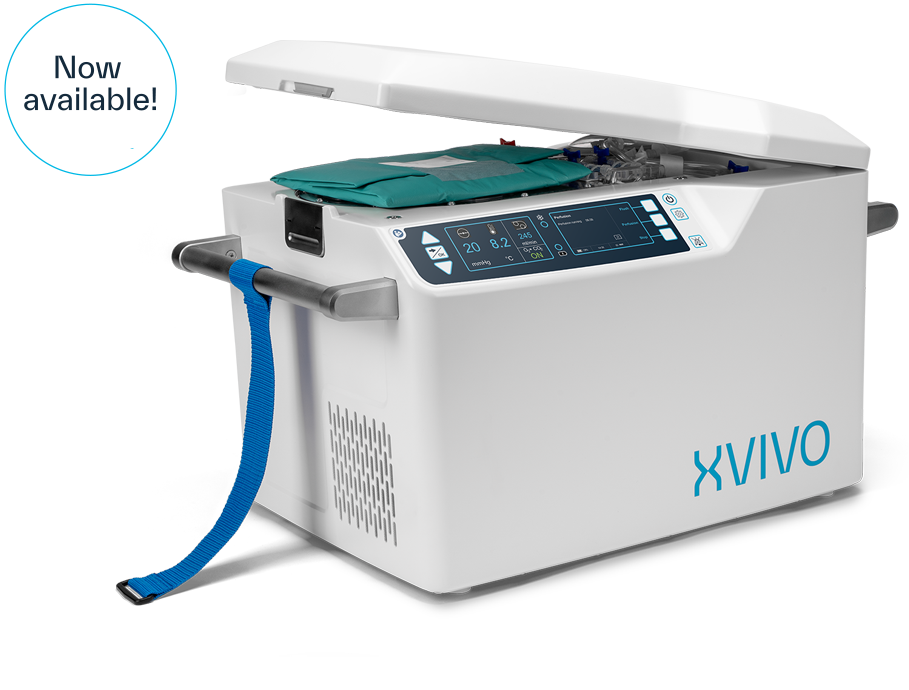
Key advantages of
XVIVO Heart Assist Transport™
Proven to safely extend preservation time, XVIVO Heart Assist Transport™ also reduces the risk of primary graft dysfunction (PDG) by 61% and severe primary graft dysfunction by 76%.¹ This resulted in a higher 1-year survival rate compared with static cold storage (SCS).² What’s more, XVIVO Heart Assist Transport™ is designed for all types of hearts—enabling higher organ utilization.
Extended
preserveration
More time to transport
and transplant. 1, 2
Ease
of use
Intuitive, reliable, and designed for the transplant workflow.
Improved
outcomes
Reduced risk of post-transplant
complications and improved
1-year survival. 3, 4
Increased
utilization
For all hearts - DBD, DCD,
ECD, and pediatric.
Start of
Discover the features
Watch the video above to explore all the features of XVIVO Heart Assist Transport™. Learn how the technology can extend preservation time, increase organ utilization, and improve outcomes. With more time to recover, transport, and transplant the heart, clinicians and hospitals will have the power to save more lives.
Hypothermic Oxygenated Perfusion (HOPE)
Discover the advanced features that enable XVIVO Heart Assist Transport™ to provide continuous hypothermic oxygenated perfusion (HOPE) with a carbogen gas mixture of 95% oxygen and 5% carbon dioxide.
Easy to use
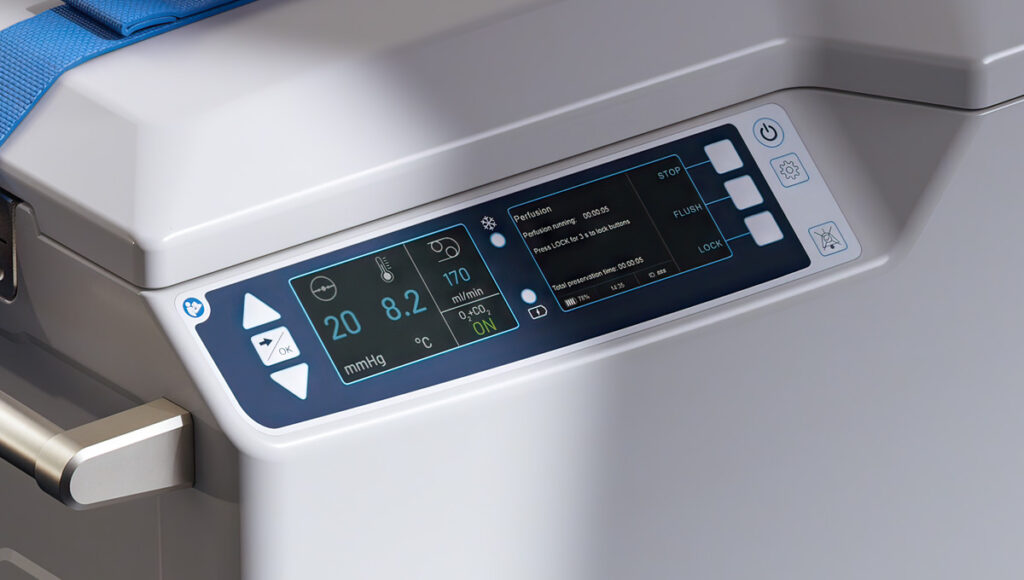
XVIVO Heart Assist Transport™ features an intuitive user interface and software with guiding instructions.
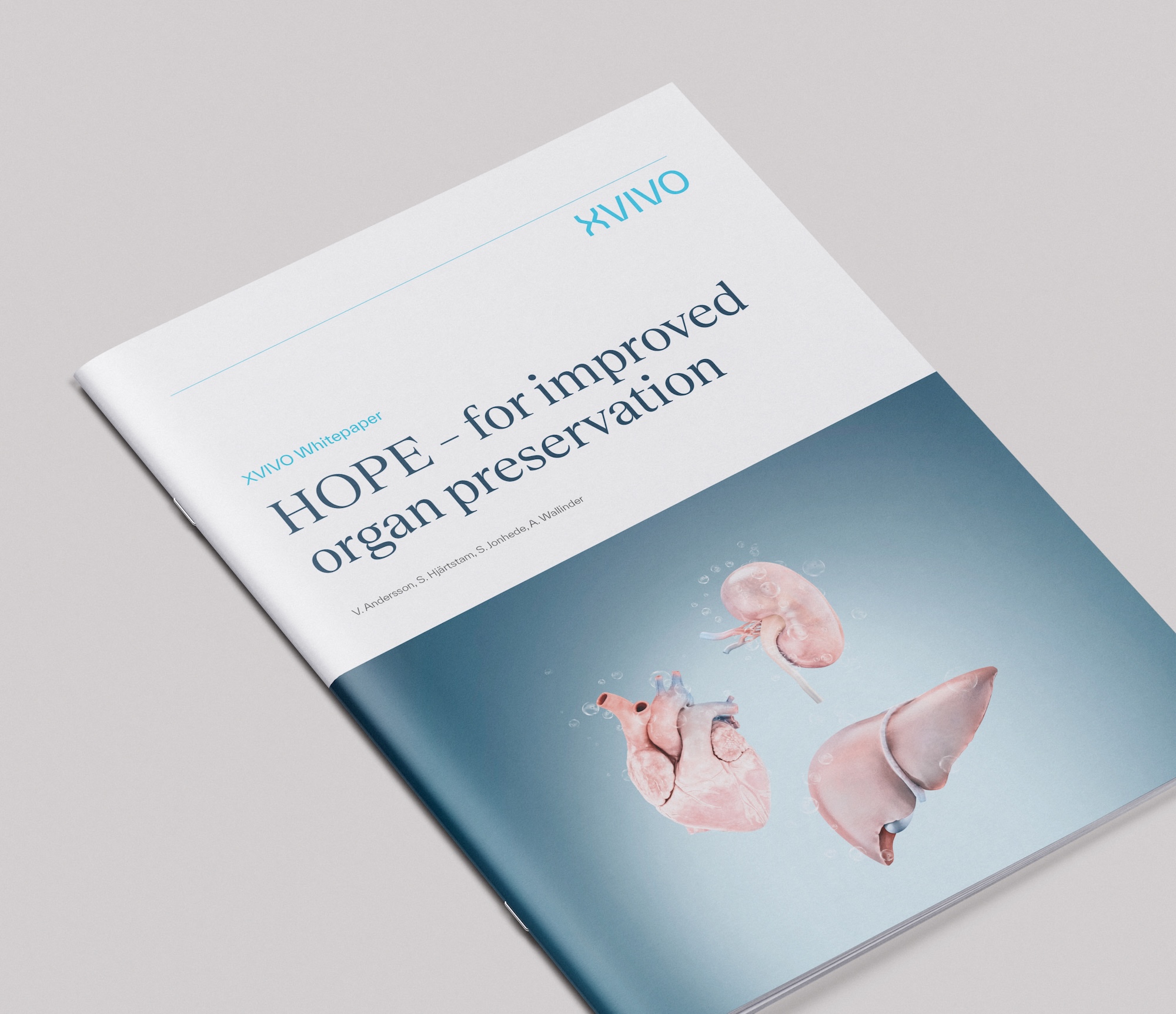
Get the HOPE Whitepaper
Learn how Hypothermic Oxygenated Perfusion (HOPE) and XVIVO Heart Assist Transport™ are solving the problem of ischemic metabolism in heart preservation – allowing for longer preservation times and improved patient outcomes compared with static cold storage (SCS).
XVIVO HEART ASSIST TRANSPORT™
Technical specifications
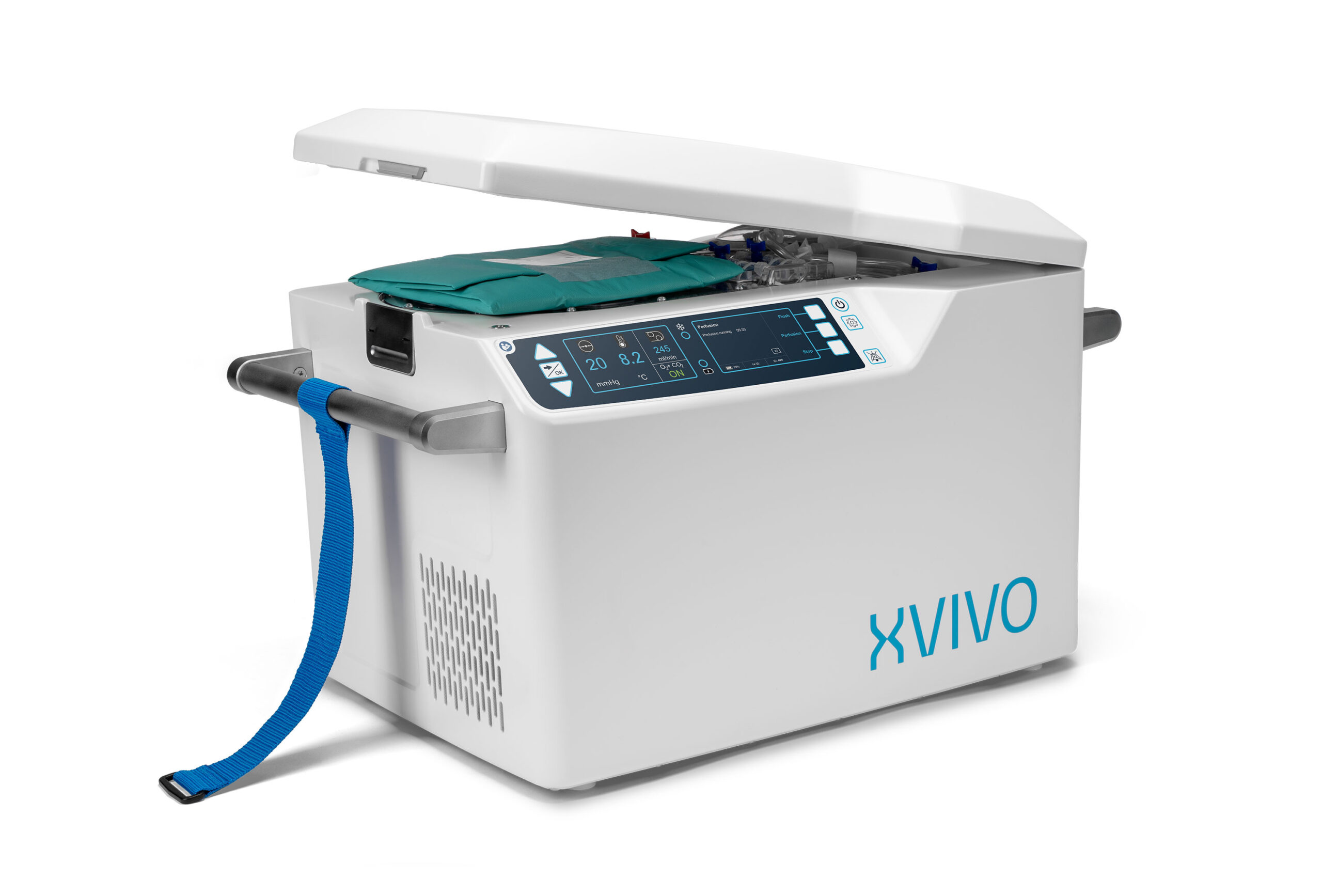
Width: 720 mm
Depth: 430 mm
Height: 420 mm
Battery capacity: 5-6 hours
Note: These technical specifications refer only to the XVIVO Heart Assist Transport™ device (not the disposables).
Principles of operation
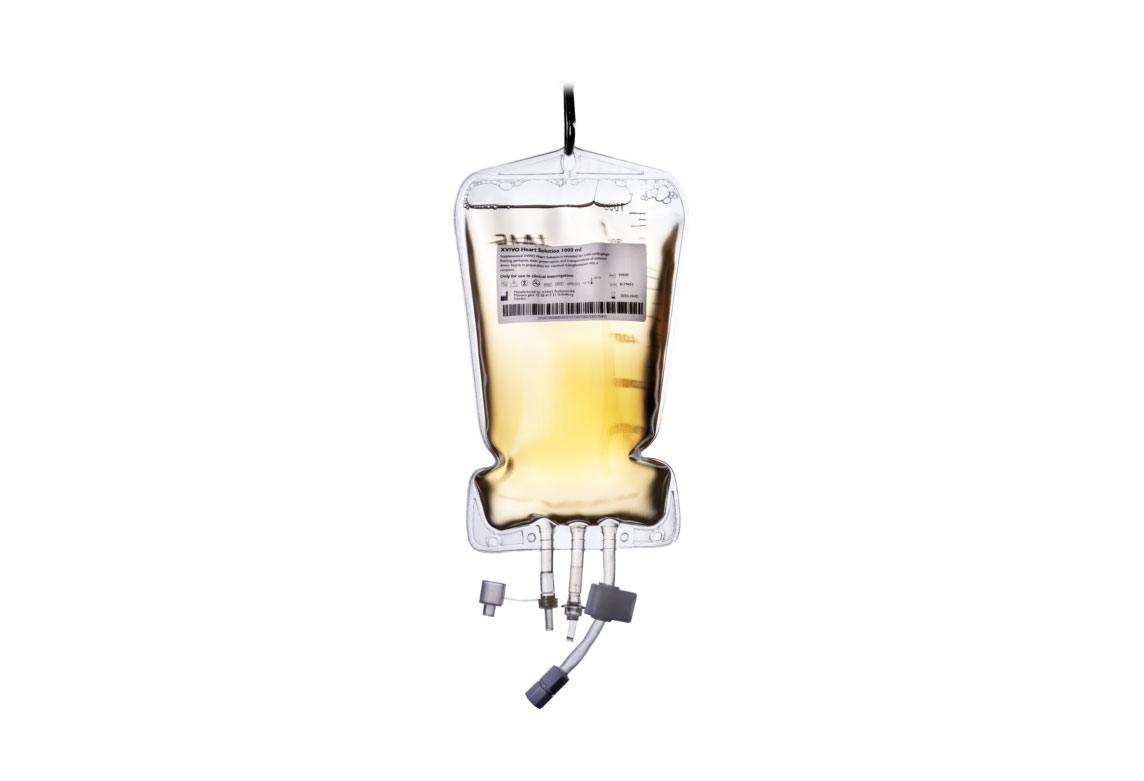
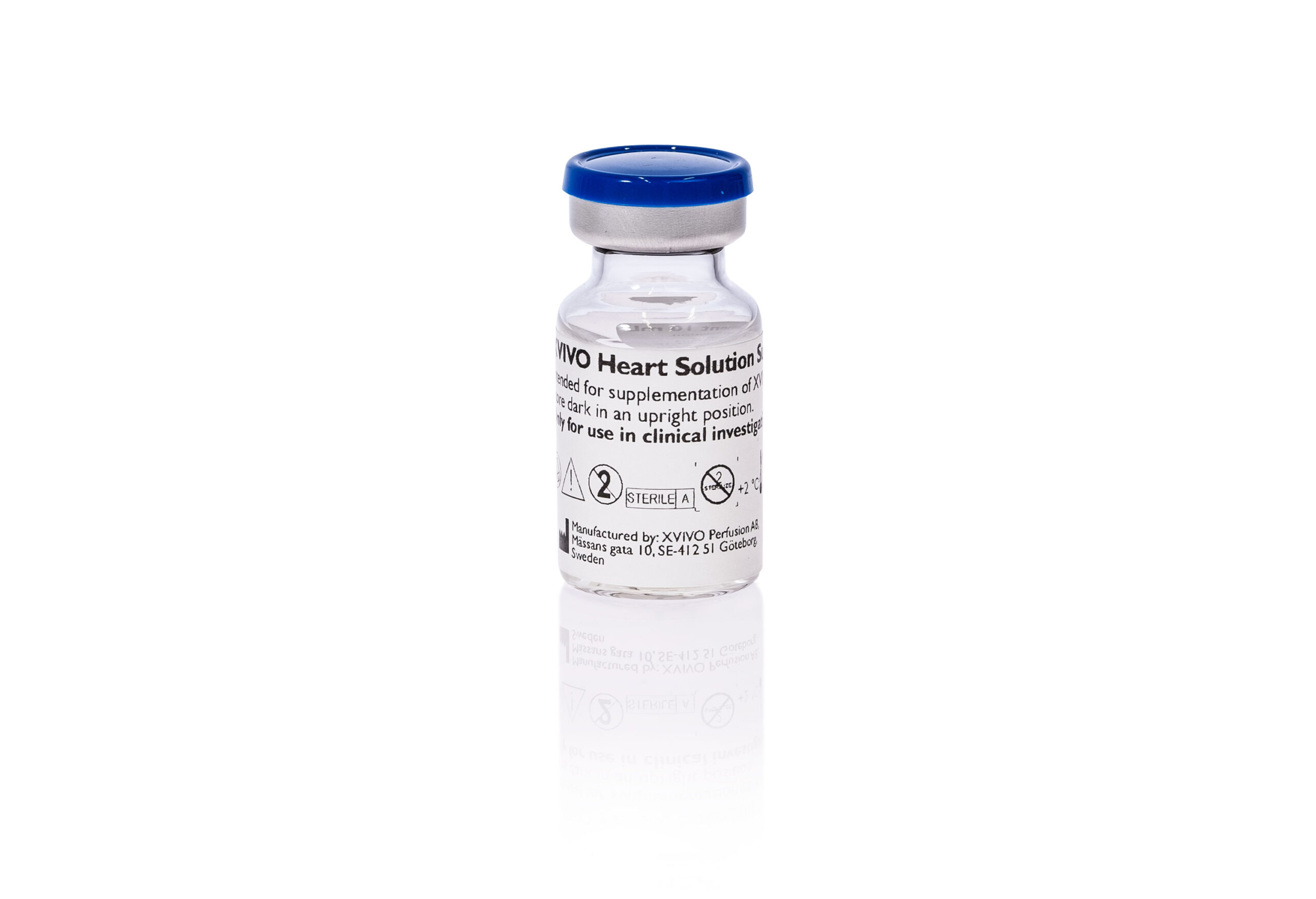
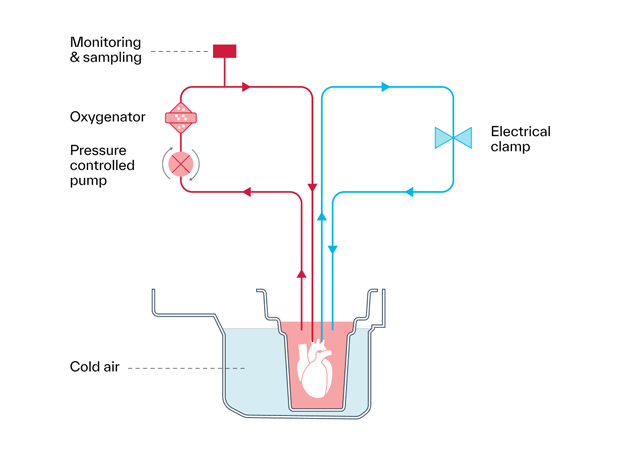
The resting heart is continuously perfused with an oxygenated solution at 8 °C and with a pressure of 20 mmHg.
In perfusion mode, the heart is mounted and the return clamp is closed. The flow path is as follows: Pump → Oxygenator → Heart → Reservoir → Pump.
REFERENCES
1. McGiffin DC, et al. Hypothermic oxygenated perfusion (HOPE) safely and effectively extends acceptable donor heart preservation times: Results of the Australian and New Zealand trial. J Heart Lung Transplant. 2023.
2. Lebreton G, et al. Successful heart transplant after 12 h preservation aboard a commercial flight. Lancet. 2024;403(10431):1019.
3. Rega F, et al. Hypothermic oxygenated perfusion of the donor heart in heart transplantation: the short-term outcome from a randomised, controlled, open-label, multicentre clinical trial. Lancet. 2024;404(10453):670-82
4. F. Rega, et al. Hypothermic oxygenated perfusion versus standard treatment of donor hearts in heart transplantation: extended follow-up of the NIHP2019 trial. European Heart Journal, 2026.

